
Trade Tokens
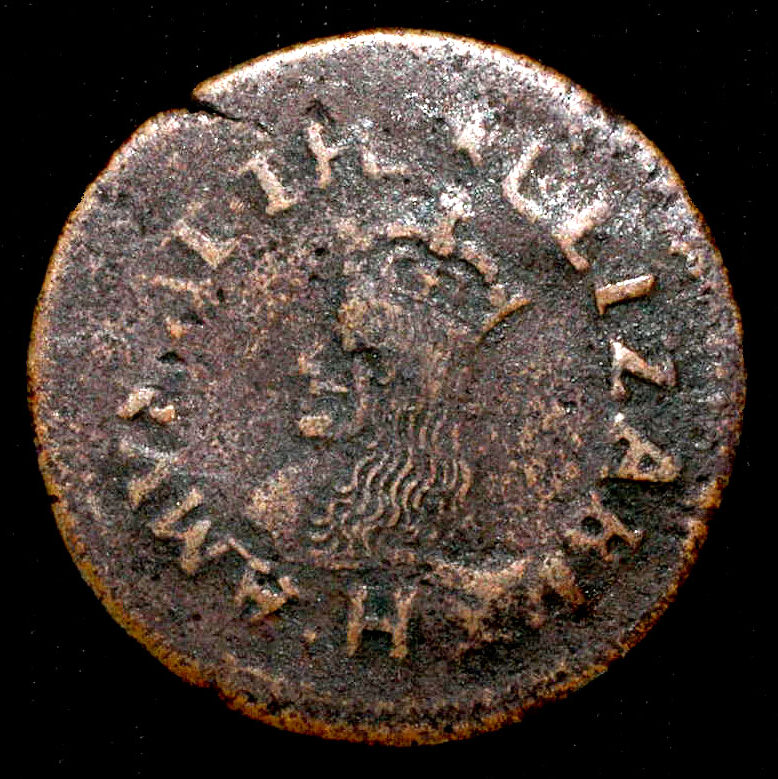
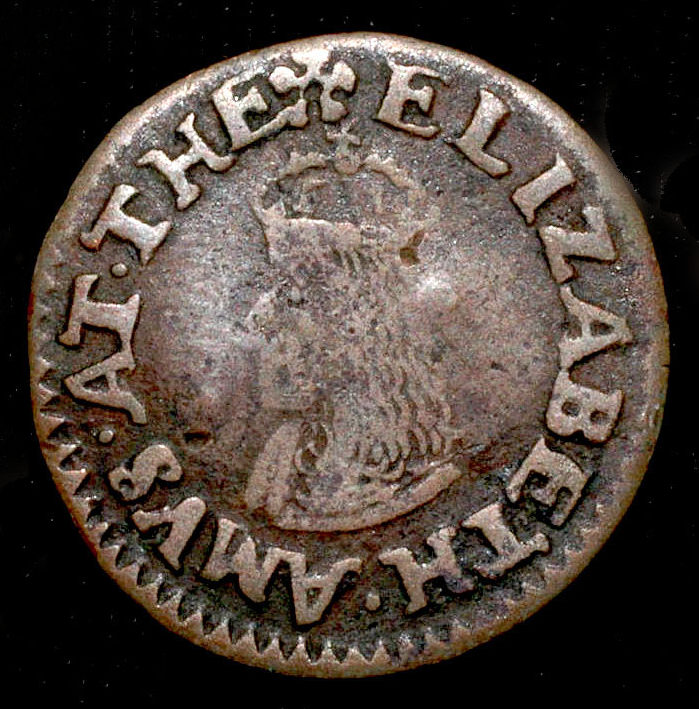

Images courtesy of Bourne Hall Museum
During the English Civil War the production of copper coins ceased resulting in a major shortage of small change. This caused some local communities and merchants to issue tokens often made of brass, copper, pewter and lead. Most were used as substitute farthings, but halfpenny and occasionally penny tokens were produced.

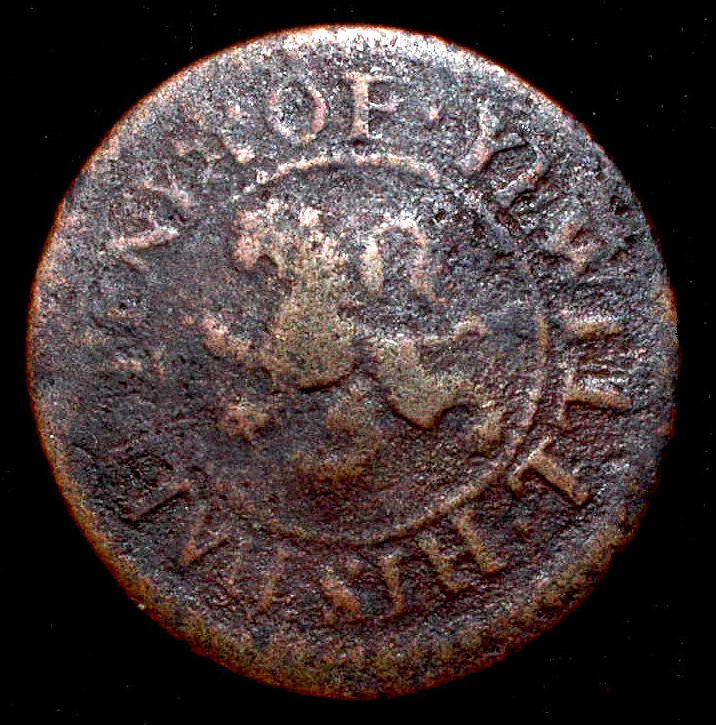

Images courtesy of Bourne Hall Museum
The tokens could only be used within a few miles from the point of issue and most tokens showed the issuer’s name or initials. Usually the halfpenny and penny tokens also showed their value. Although the majority of tokens were round other shapes were used e.g. square, triangle, octagonal even heart shaped.
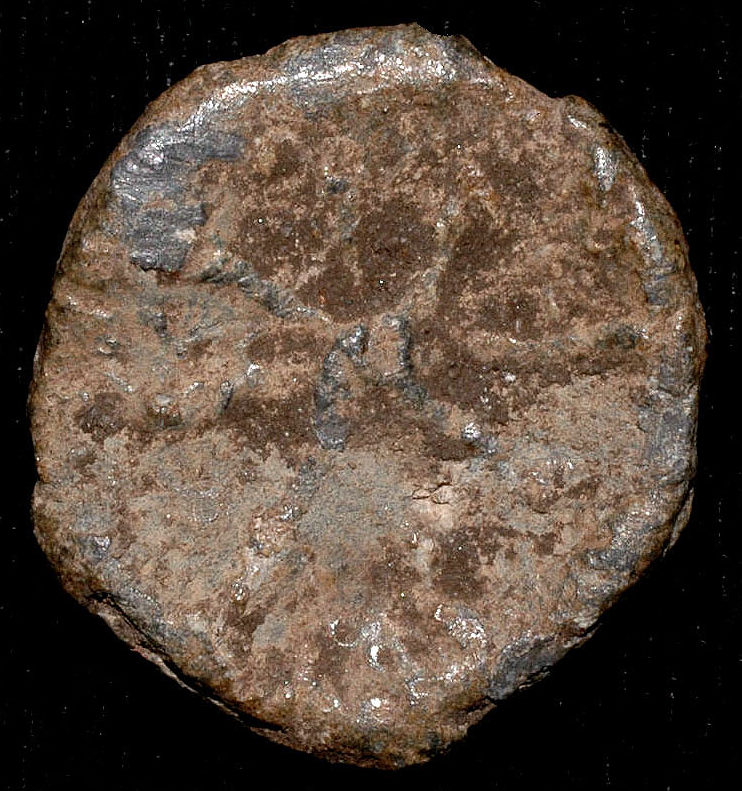 A lead token found in the churchyard of St Mary’s Ewell
Images courtesy of Bourne Hall Museum
In 1672 the official production of farthings resumed, and the use and production of tokens was discouraged only to be resumed in the late 18th century when the British Royal Mint greatly reduced production of small coins.
 Anthony Arnold token 1660s
Images courtesy of Bourne Hall Museum
The new tokens were often machine made and tended to be larger than their 17th century predecessors, with values of a halfpenny or more.
 Samuel Hawkins token 1660s
Images courtesy of Bourne Hall Museum
While many tokens were used in trade, they were also produced for advertising and political purposes, and some series were produced for the primary purpose of sale to collectors.
 Ipswich Shilling Token 1811
Images courtesy of Bourne Hall Museum
 Tea Dealer and Coffee Roaster Token 1828
Images courtesy of Bourne Hall Museum
 A copper disk embossed with a crown and R Bliss Ewell
that was found in Parkgate Surrey (near Charlwood) in 1997.
This disk is assumed to be a Trade Token but
may have been a button, badge or medallion.
Image courtesy of Roger Mintey © 2023
Just a couple of weeks after adding the above photo of the Bliss token we were told that the stamp used to create the token was discovered while clearing out a ‘hoarders’ garage in Northern Ireland.

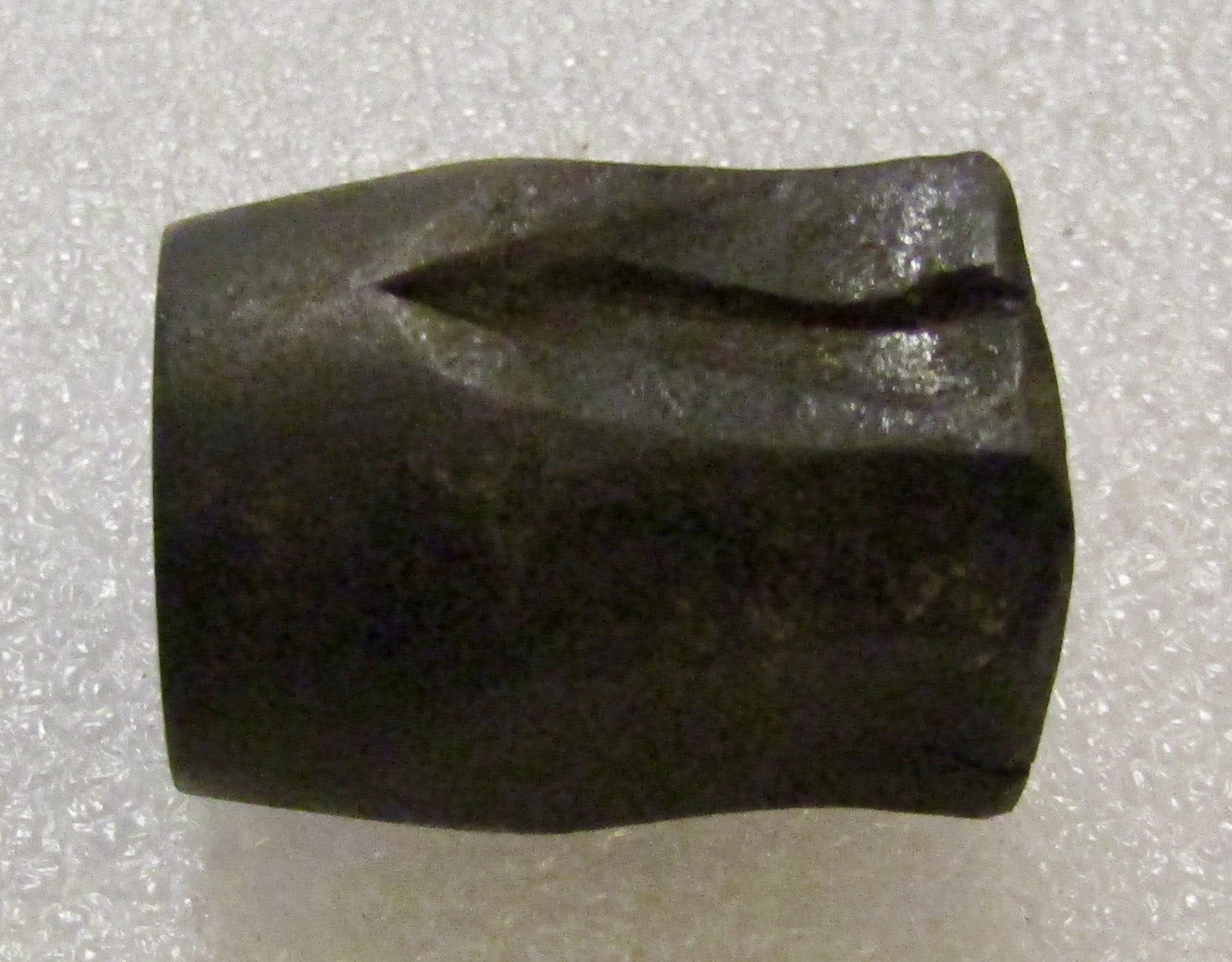
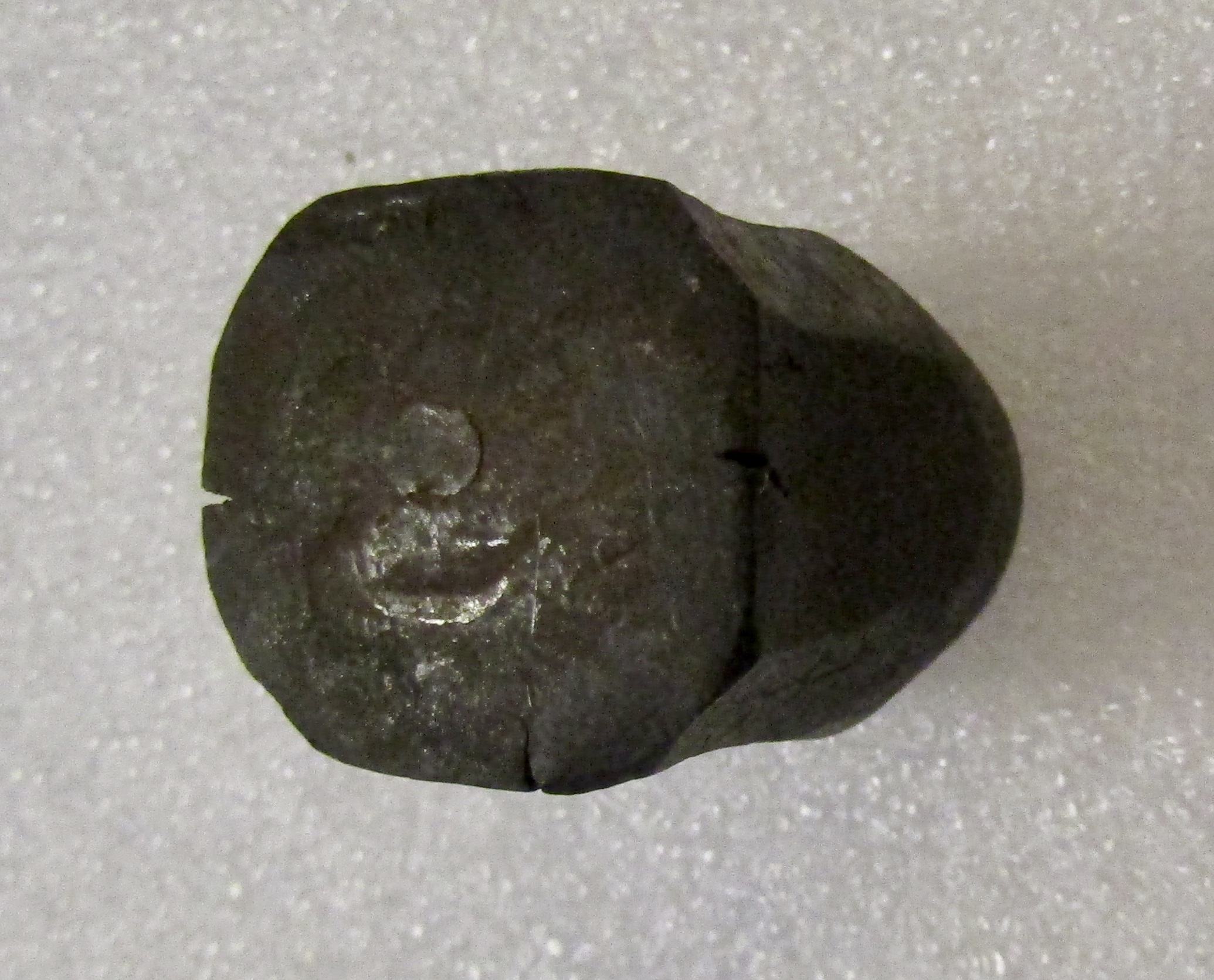
With special thanks to Gary Barnes 2023
A Few More Modern Tokens


Image courtesy of Bourne Hall Museum
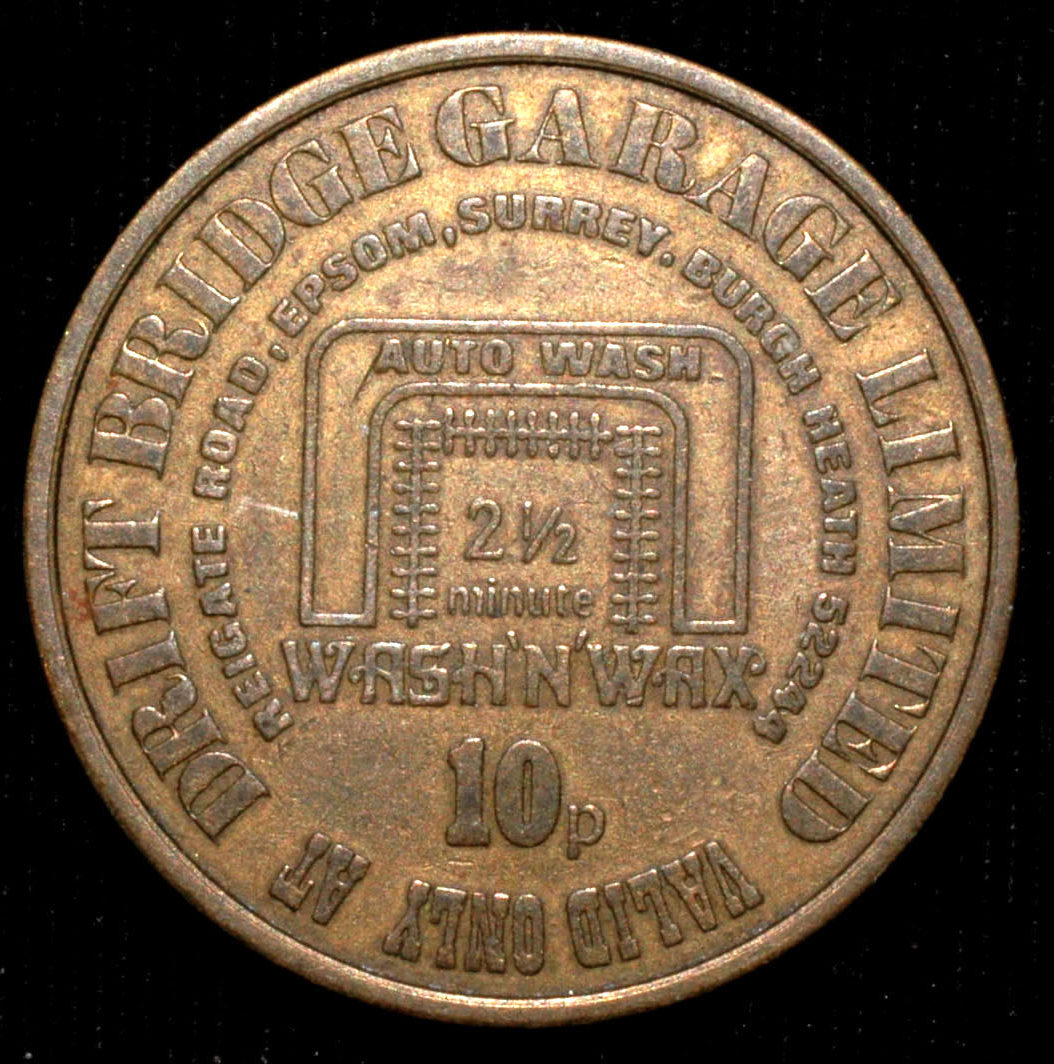 A 10p Car Wash Token Drift Bridge Garage c1970s
Image courtesy of Bourne Hall Museum