
CONSTABLE, NEAVE & LUCAS
A tale of connections and contrasting fortunes
The artistic trio of Constable, Neave and Lucas consisted of the following.
- John Constable (1776-1837), artist
- Sir Richard Digby Neave (1793-1868), landowner and artist
- David Lucas (1802-1881), engraver
We already know from our articles on Captain James Gubbins and Lt. Col. Richard Gubbins that John Constable was the nephew of their mother, Mrs Mary Gubbins (née Watts), and that he used to stay with the family at Hylands House : however, he was also a friend of Richard Digby (known as Digby) Neave, who lived at Pitt Place for many years. Digby Neave was godfather to Constable’s daughter, Emily (born 1825), who sadly died of scarlet fever in 1839.
 Pitt Place, Epsom, the house of Mr. Digby Neave
By John Constable
Image Source: Wikimedia
David Lucas was a hugely talented engraver who collaborated with Constable on print-making and who also made engravings of Neave’s work. The fortunes of the three men could hardly have been more different. Constable had to endure a great family tragedy – his beloved wife, Maria, died of tuberculosis in 1828 – and this affected him deeply. The couple had lived in Brighton for several years, for the sake of Maria’s health, and John hated the place, which he called ‘Piccadilly by the seaside’. Financially, he was not well-off, selling few paintings during his lifetime, despite critical acclaim; in fact, he took commissions for portraits and paintings of houses to obtain some income, although these were not his favoured subject-matter. He was better appreciated and more commercially successful in France than Britain, but eschewed tours overseas to promote his work, saying that ‘I would rather be a poor man [in England] than a rich man abroad’.
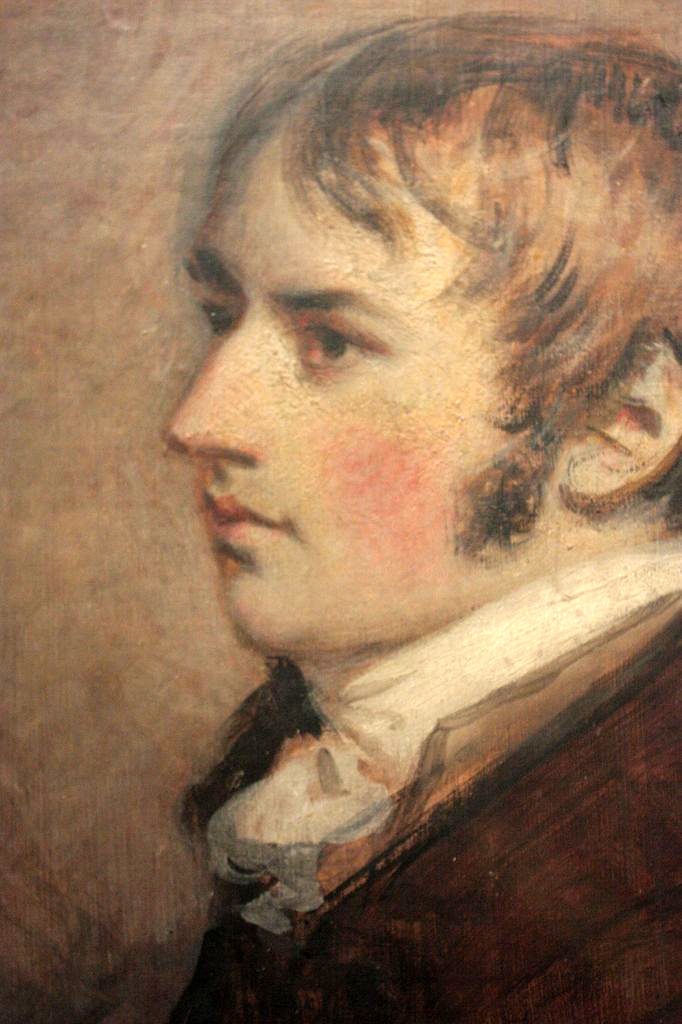 John Constable by Daniel Gardner 1796.jpg
Photo by Stephencdickson (CC BY-SA 4.0) Via Wikimedia
Digby Neave inherited his father’s baronetcy in 1848 and ultimately moved from Pitt Place to the family seat at Dagnam Park, Romford. He had business interests, particularly in railways, collected works of art and was an amateur painter himself. Amateur in this context doesn’t mean he was an armchair dabbler.
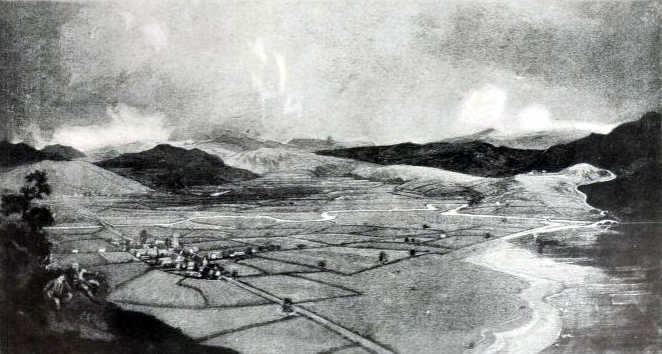 Untitled landscape by David Lucas after Digby Neave
Image source: Wikimedia Commons

St Peter’s and the Vatican by David Lucas after Digby Neave
Image source: Wikimedia Commons
So, Constable wasn’t rich in his lifetime, but the prices paid for his paintings after his death have reached phenomenal heights. This next one is ‘The Lock’, which he did manage to sell in 1824 for the sum of 150 guineas (£157.50, which would be about £18,000 or so in today’s money).
 The lock (at Flatford Mill, on the River Stour in Suffolk)
By John Constable
Source Wikimedia
True, you did get a lot of canvas for your money, as the painting measures roughly 6 feet by 4 feet, but would it surprise you to learn that it went for over £22 million at auction in 2012? Of course, the ‘big guns’ of Constable’s portfolio don’t come on the market very often and many of them are in public hands. The National Gallery, for instance, has several, including ‘The Hay Wain’. The Tate has a couple of small Constable sketches that are of interest.
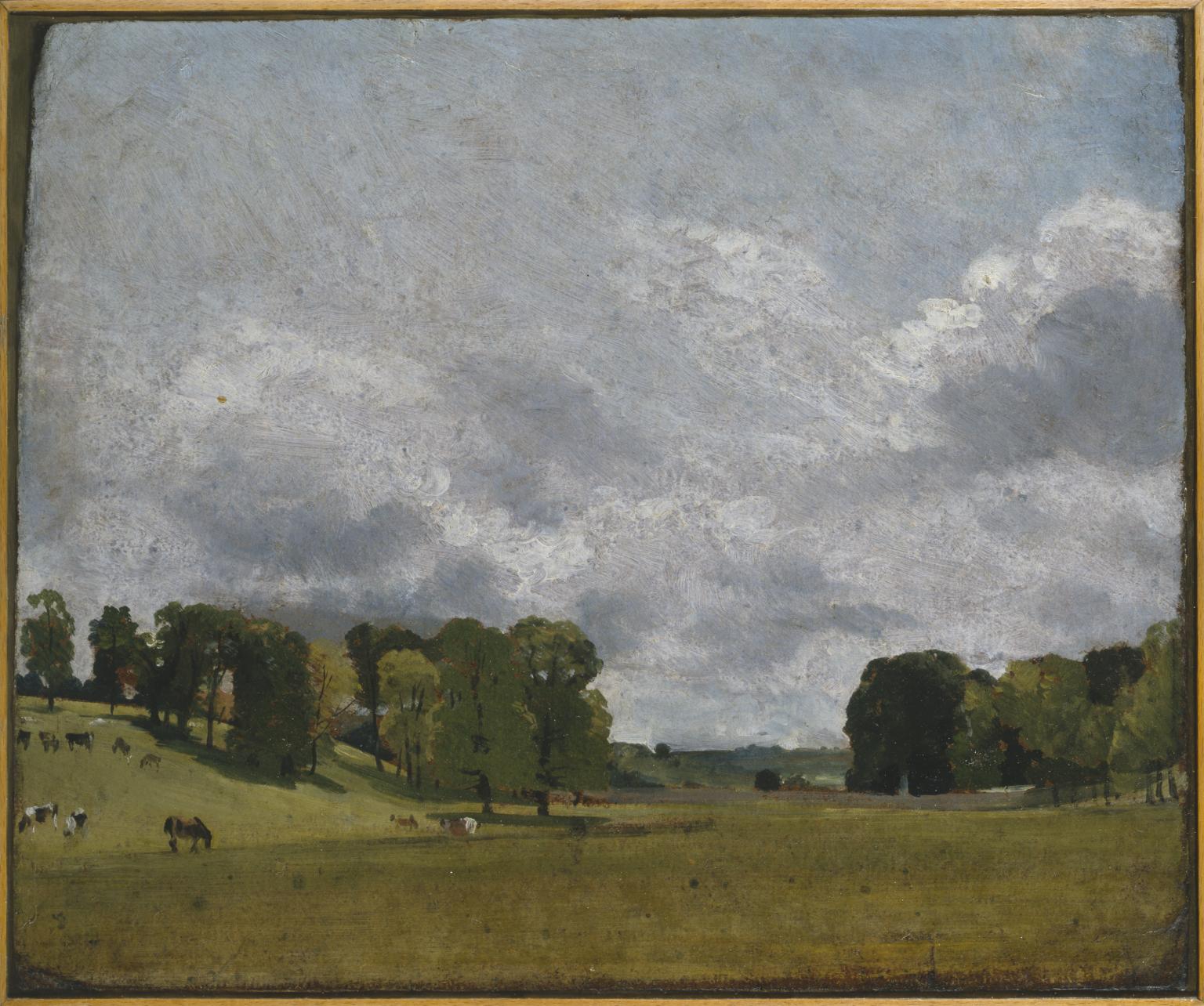
View at Epsom 1809 John Constable 1776-1837 Bequeathed by Henry Vaughan 1900
© http://www.tate.org.uk/art/work/N01818
CC-BY-NC-ND (3.0 Unported)
 View over a Valley, c 1806 Probably Epsom Downs John Constable 1776-1837
© https://www.tate.org.uk/art/artworks/constable-view-over-a-valley-probably-epsom-downs-t08249
CC-BY-NC-ND (3.0 Unported)
As mentioned, Constable and Lucas collaborated on quite a number of prints. John painted the picture and David did the engraving, although the former often got involved with the later process.
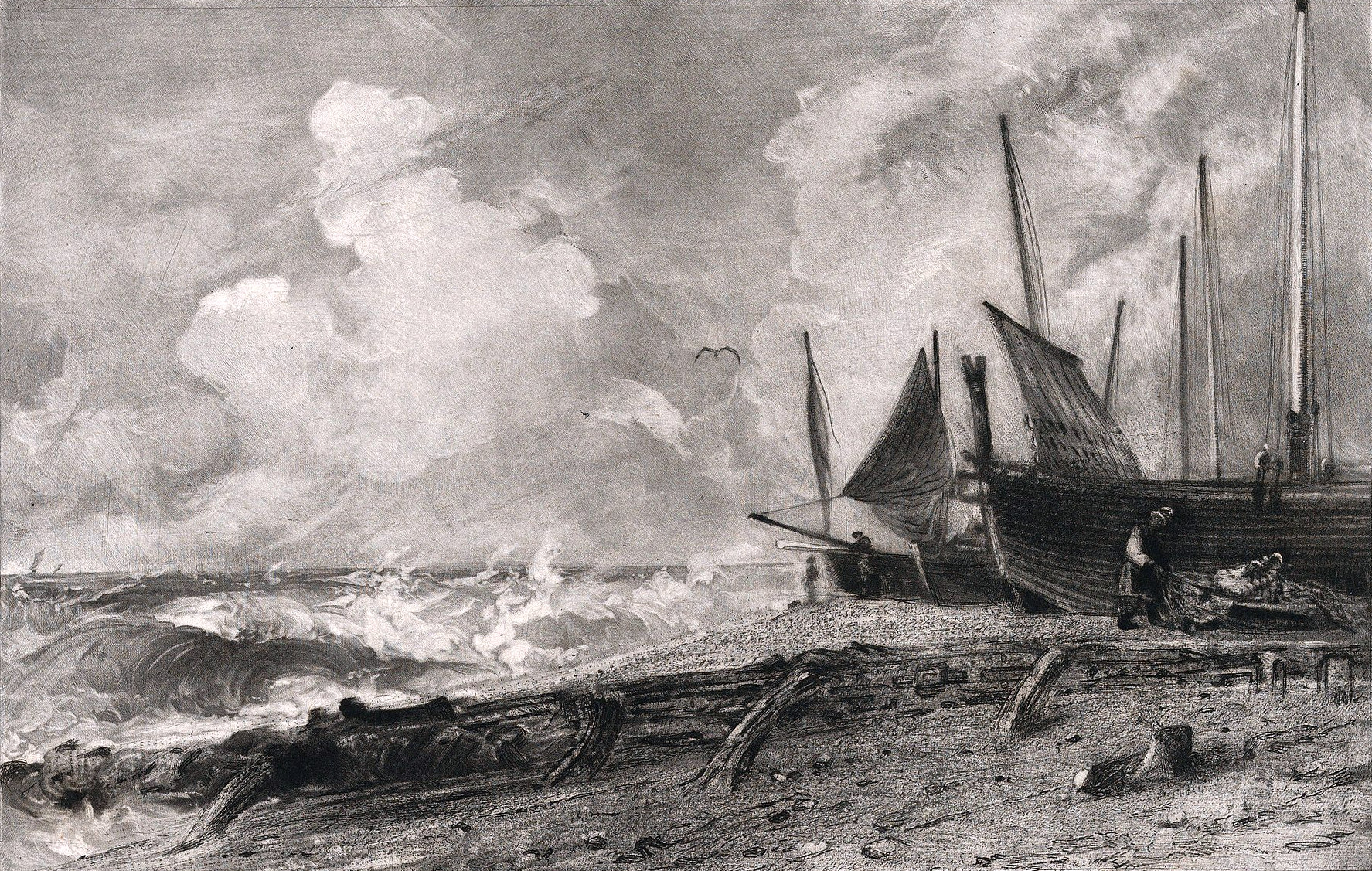
A Sea Beach David Lucas after John Constable
Source The Metropolitan Museum of Art via Wikimedia
And here’s one that David engraved in 1843 after Constable’s death.
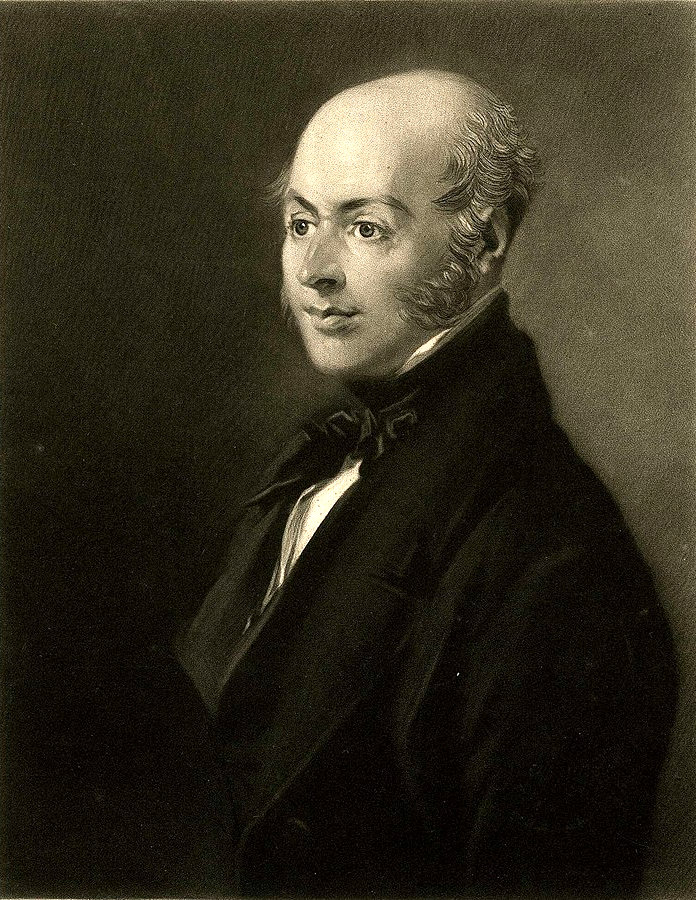 John Constable
Print by David Lucas after Charles Robert Leslie
Image source: Wikimedia Commons
Constable and Lucas have been called ‘one of the greatest artistic partnerships in the history of mezzotint’, so it would be nice to think that David Lucas lived long enough to make a fortune out of his large volume of engraving work – he didn’t die until 1881 after all. No fairy tale ending I’m afraid: here is where David ended his days.
 1881 census entry for Fulham Workhouse (Click image to enlarge)
Linda Jackson 2021