
EPSOM COMMON LOCAL NATURE RESERVE
Part Three: Fungi, Plants and Wildlife
As a consequence of its variety of habitats, nearly 400 different species of plants and ferns have been recorded, including the Common Spotted and Southern Marsh Orchids.

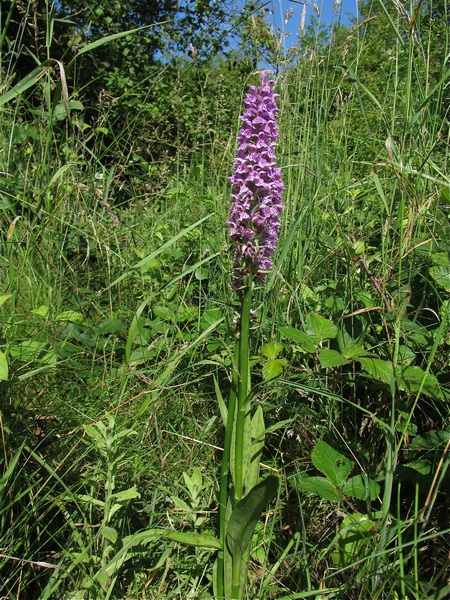
Left: Saw Wort – scarce in Surrey, but benefiting from grazing
Right: A hybrid of common spotted and southern marsh orchid
found in Railway Meadow
Photos by Stewart Cocker
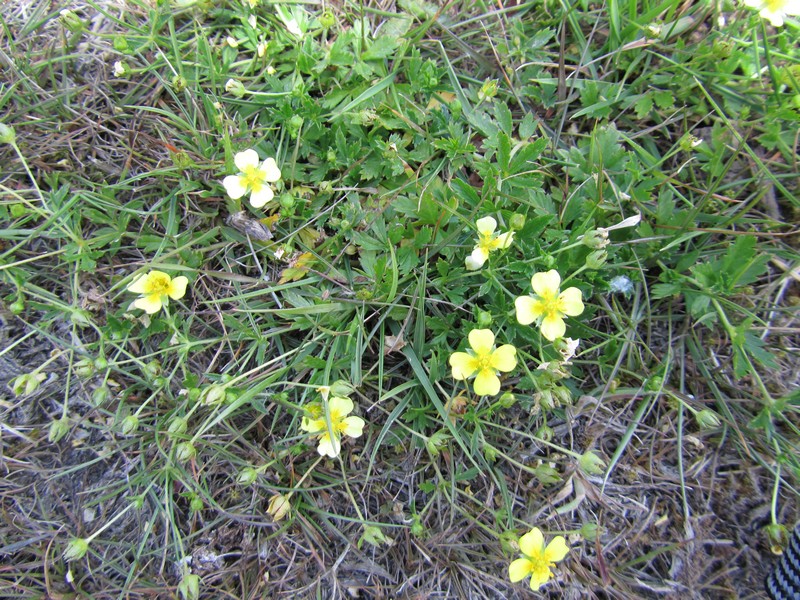


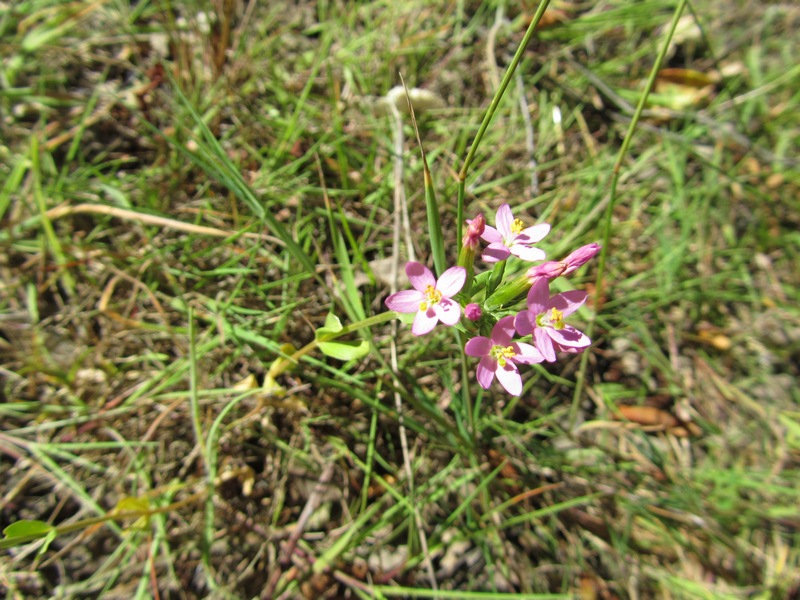
Clockwise from top left: Tormentil on High Meadow;
St John’s Wort on Rye Meadow; Violets on High Meadow;
Common Centaury on Low Meadow.
Photos by Carol Pace

Ling Heather on Castle Heath
Photo by Carol Pace
A couple of examples of fungi found on Horton Heath:
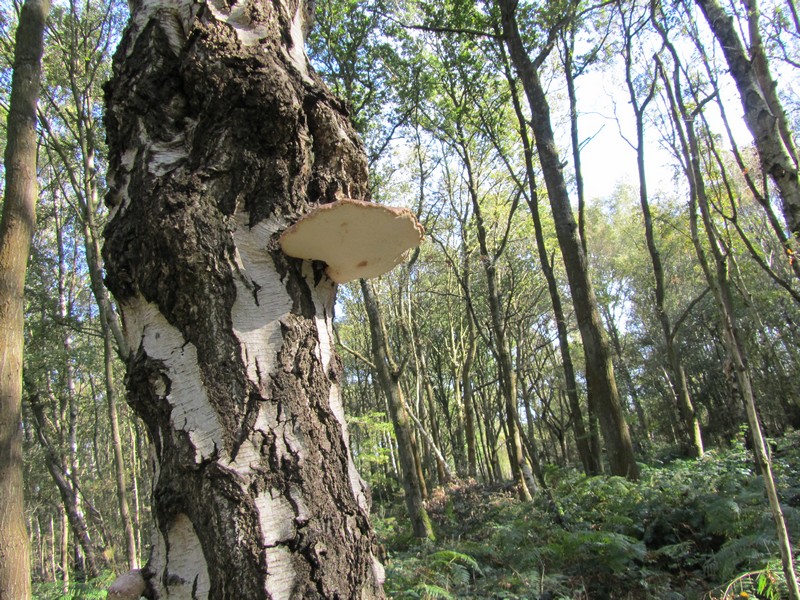
 Top: Birch Polypore, a bracket fungus growing on a Silver Birch tree
Bottom: Tuft Fungi
Photos by Carol Pace
Mature oak woods, many hundreds of years old, provide a home for a number of internationally rare insects. The Common provides habitats that support around half of Britain’s 60 known butterfly species.


Left: Silver Washed Fritillery
Right: White Admiral
Photos by Stewart Cocker

A purple emperor feeding on cattle dung in the main grazing area
Photo by Gill Sanders
The Common is also home to over 100 species of birds, including Woodpeckers, Herons and Blue Tits:


Top: Woodpecker
Middle: Heron
Bottom: Blue Tit
Photos by Stewart Cocker
The skylark was chosen as the Common’s emblem by the Epsom Common Association, and as such is a stark indicator of the change from a more open grassy habitat to more wooded habitats in just the last forty years since the Association’s creation in 1973.
13 of the 40 British species of dragonfly have been observed on the Common. Many new species have benefited since the Great Pond was restored.
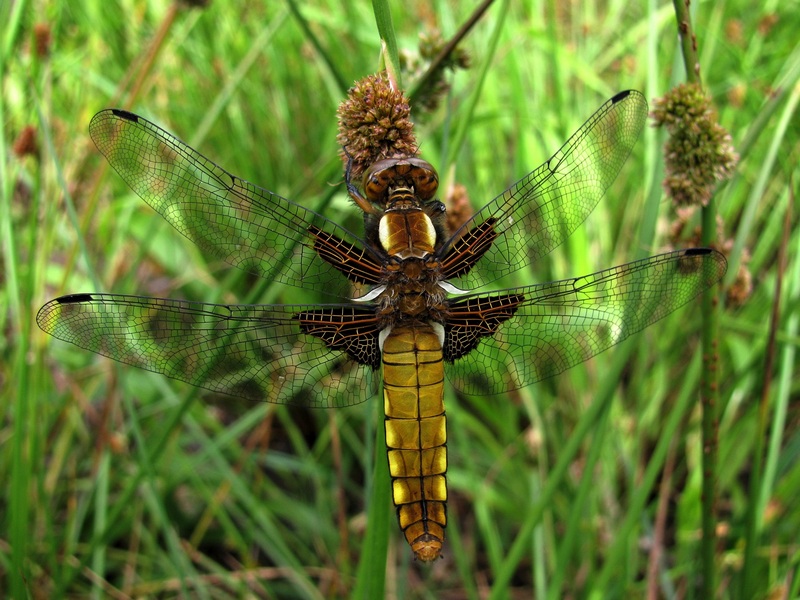
Beautiful Damoiselle, a damselfly
Photo by Stewart Cocker
The largest mammal present is the roe deer, whilst foxes, colonies of moles, hedgehogs and, more recently, rabbits can be found.
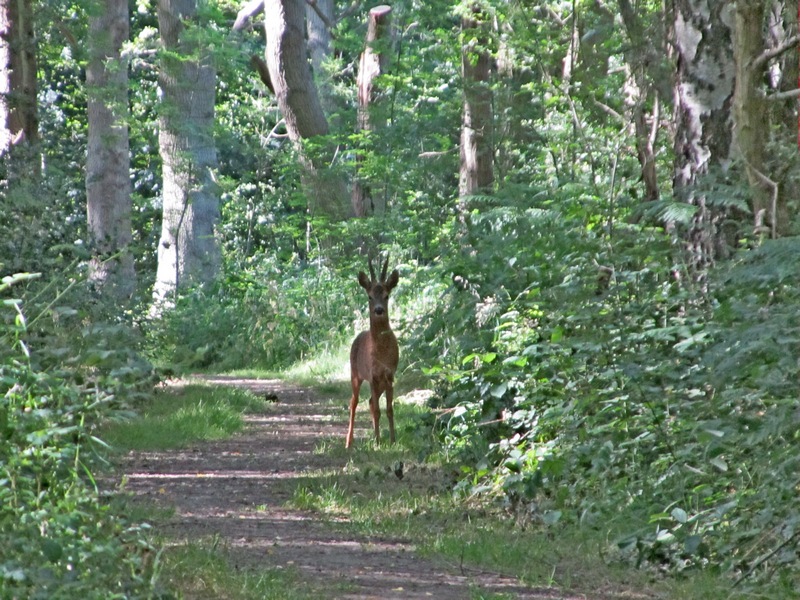 Roe Deer in the woodland
Photo by Carol Pace
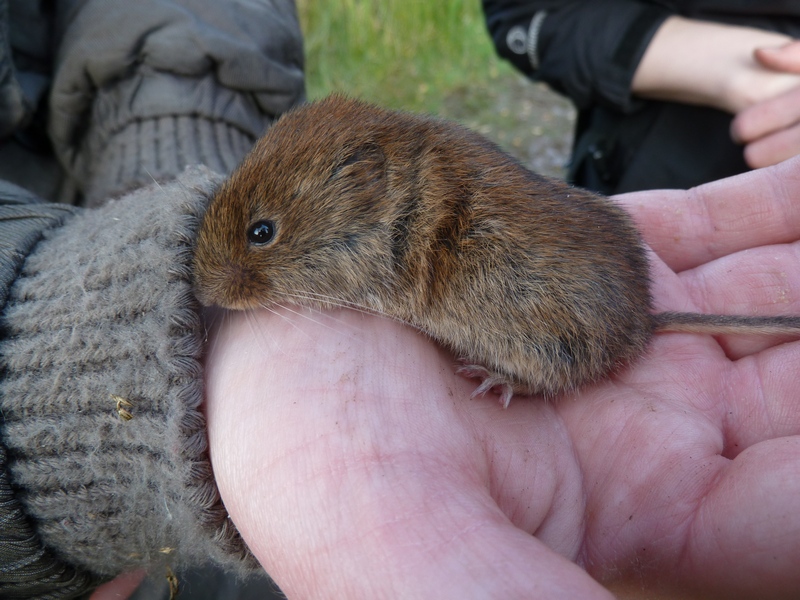 A bank vole caught and released during small mammal trapping to monitor wildlife
Photo by Gill Sanders
 A common shrew “borrowing” one of the dormouse boxes
Photo by Gill Sanders
Last year, several new areas on the Common were found to be the habitat of Britain’s only native poisonous snake, the adder. They are difficult to spot as the slightest vibration caused by footsteps causes them to hide. You are strongly advised to keep away from them and to keep your dog on a lead. Remember that half of the snakebites treated are a result of the snake being picked up.
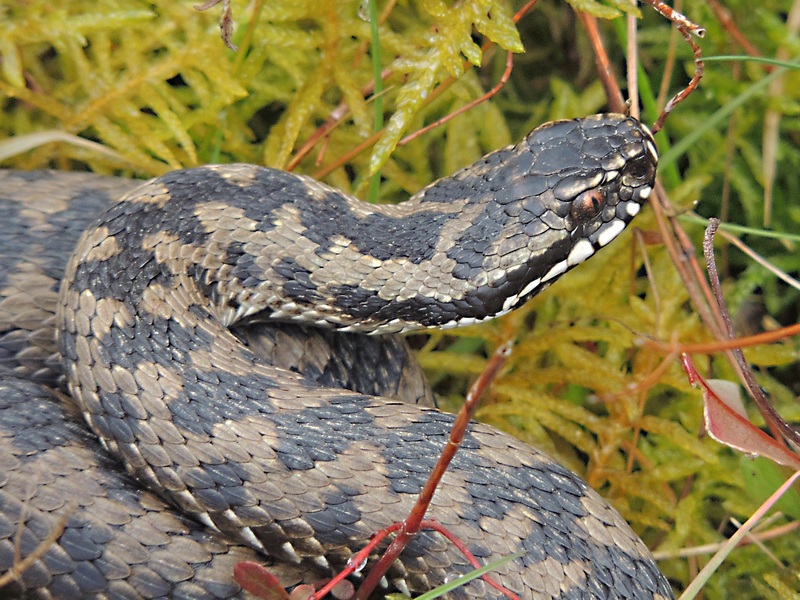 Adder on the Common
Photo by Stewart Cocker
Link to Part One (Background and Access)
Link to Part Two (Ponds, Grassland and Heathland)
Link to Part Four (Postscript)
Thanks to Stewart Cocker, Countryside Manager, Epsom & Ewell Borough Council
Nick Winfield
January 2014