Quack Medicine Show
 Sequah Poster
Source: Wellcome Images
An item in Charman’s Reminiscences Of Epsom intrigued your webmaster. Following on from the entry for The Marquis of Granby Hotel in West Street Epsom appears:-
Here Sequah the quack stood with his medicines. He was supposed to have made many cures. One remembers a case where the Minister of a church offered prayer, anyhow they dragged the poor fellow round afterwards with his crutches. I would not like to say he was cured.
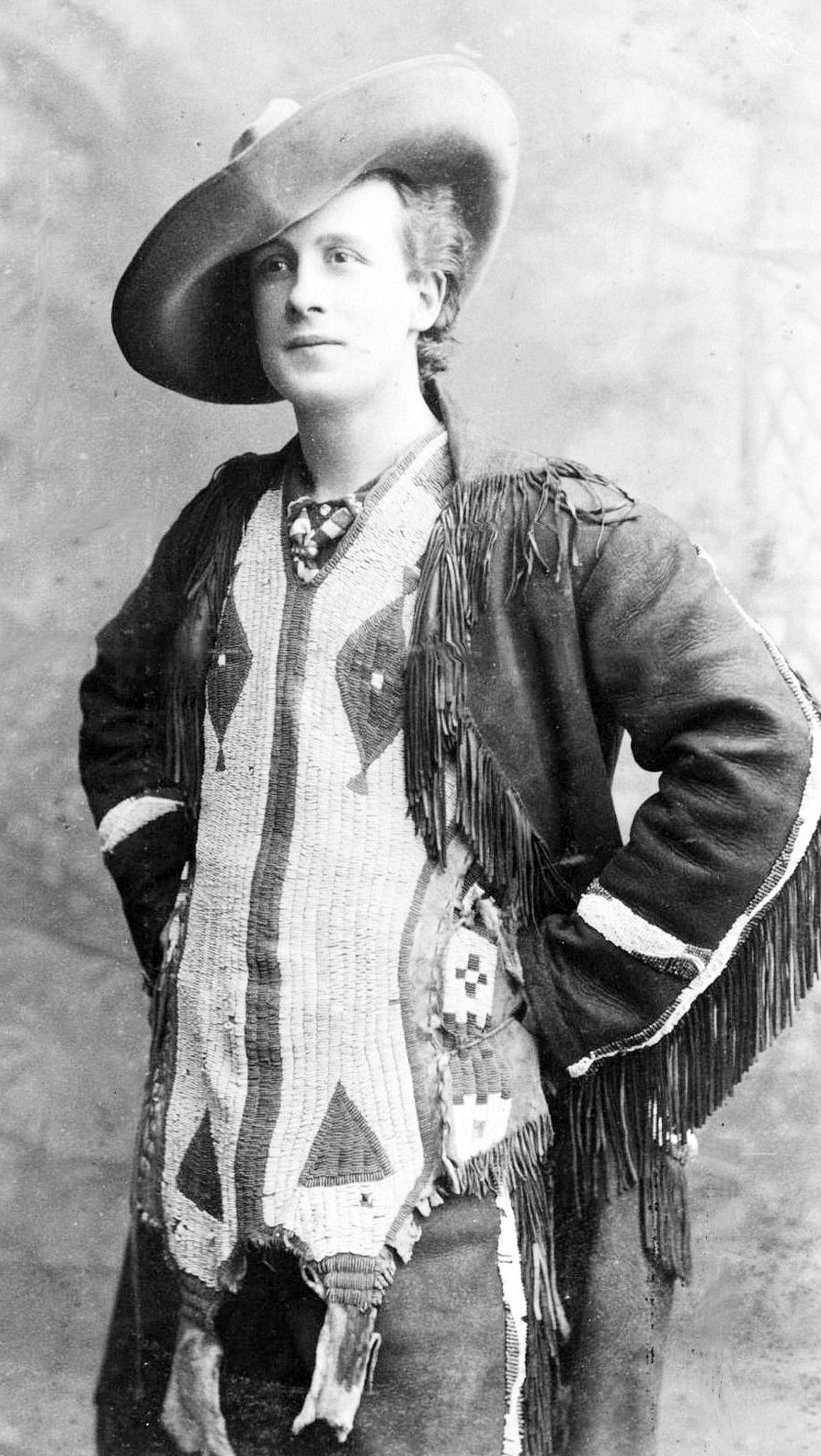 William Henry Hartley dressed as Sequah
Source Not Known
Sequah was the name adopted by William Henry Hartley, a Yorkshire man, who for a short time was brilliant at marketing his quack remedies. His best known products were Sequah’s Prairie Flower and Sequah’s Oil. He claimed that these were traditional Native American cures but this was not true and when analysed it was found that their ingredients changed over time:
- One report said the oil was cheap fish oil scented with origanum, and the Prairie Flower was Capealoes and capsicum dissolved in a strongish solution of carbonate of potash.
- An other that the Indian Oil consisted of oil (possibly whale oil) and turpentine, and perhaps a small quantity of some essential oil; Sequah’s Prairie Flower was aloes, alkaline carbonate (potash of soda), alcohol, and probably extract of capsicum or pepper; and Sequah’s Indian Dentifrice was carbonate of lime and starch.
- A third reported that the Prairie Flower was found to be a weak alkali, vegetable extract, a small quantity of alcohol, and some capsicum (to give it a hot flavour); and Sequah’s Oil was found to be a natural oil of camphor with turpentine.
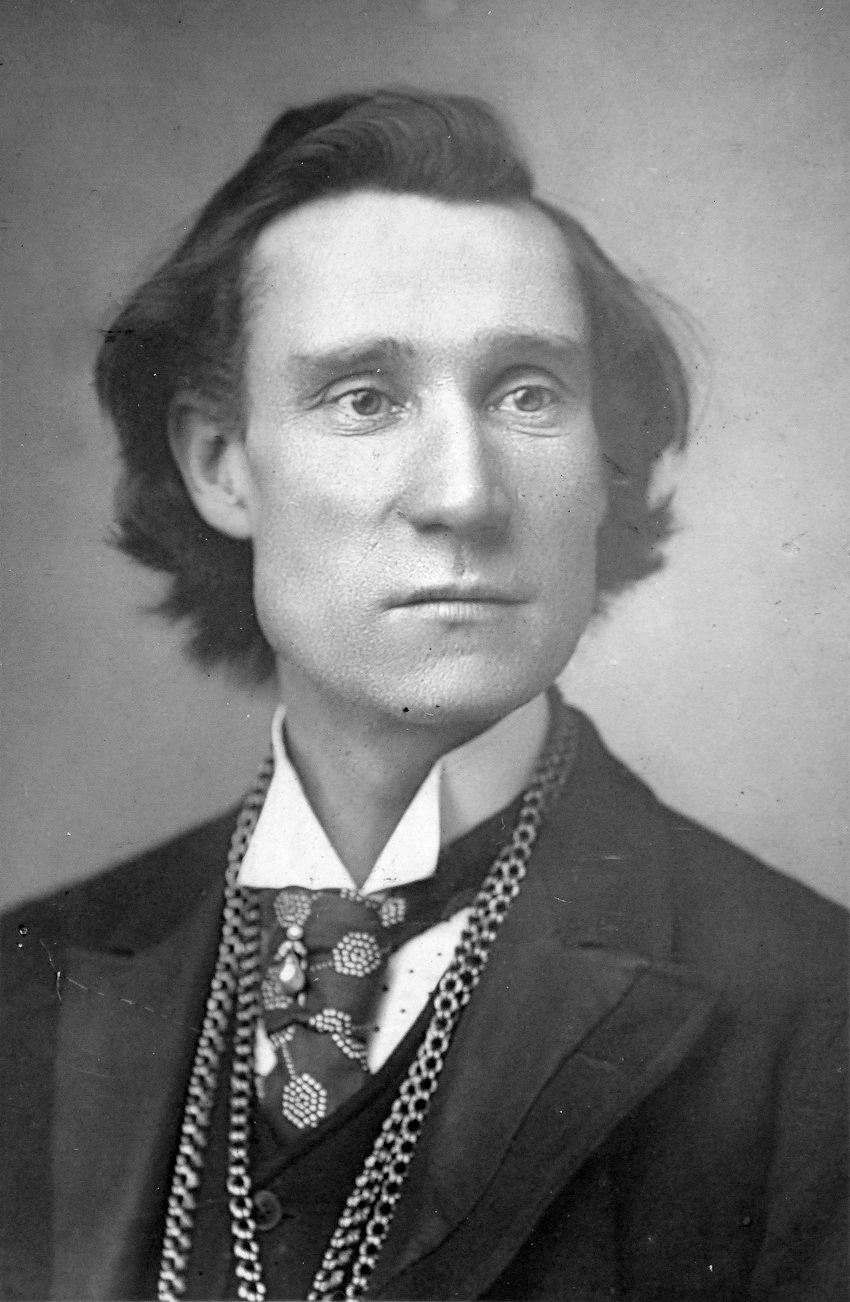 Sequah (William Henry Hartley)
Image source: A 1880s Carte de Visite
Hartley adopted the name Sequah, possibly after Sequoyah (c.1760 – c. 1840) the native American polymath who developed a method of writing down the Cherokee language
To build up the hype for his medicine shows, Sequah flooded towns with flyers and newspaper adverts, so that when he arrived in town he had a ready audience eagerly waiting for his gold painted wagon, with his assistants dressed as Cowboys and Indians – and often preceded by a brass band or fairground organ. This must have made his sales pitch a very unusual spectacle in our town.
He usually had two shows in each location, one in the afternoon and one in the evening. Sequah would offer free tooth pulling at his shows. He claimed this would be both quick and pain-free but, most probably, the band would be playing loud music to drown out the cries of pain! It is reported that he could pull teeth so quickly that even doubtful members of the audience would cheer. Afterwards the real business of selling his quack cures started.
It is thought that Sequah traded in the UK as the Sequah Medicine Co. from early 1887. From October 1889, he began printing a weekly penny newspaper called Sequah’s Annual which contained advertisements, jokes and short stories to heavily promote his products. He also employed several ‘doubles’ to work different parts of the country. Probably in 1889 the company was turned into a limited company but this was short lived as the 1890 Customs and Inland Revenue Act restricted the sales of medicines to a “set of premises”. The company – which had already started trading overseas – was forced to limit its activates to export sales but this was not successful and the company went into liquidation in 1895 and was liquidated on March 26, 1909.
Peter Reed 2022
Postscript
For a contemporary medical students view of Sequah‘s medicine show and his ‘remedies’ we suggest that you read The Life and Times Of A Victorian Country Doctor – A Portrait of Reginald Grove Volume 3; Life As A Medical Man By Peter Flower and published by Brown Dog Books.