
CHILD’S PLAY – PART 2
Games, toys, puzzles and pastimes from the past
Click here for Part 1
 A selection of classic children’s books and characters
Image sources: Wikipedia and Wikimedia Commons
All images that follow are courtesy of Bourne Hall Museum unless otherwise attributed.
Arts and crafts
All of us must have had wax crayons and/or coloured pencils (and I still have a couple of stubs of the latter from my original Lakeland half-sized set) plus some kind of watercolour paints, so I won’t bother with those, except to show you a wonderful box of watercolours: this is highly unlikely to have been a child’s possession, but it’s a fine example of how such items could be in the past. George Rowney & Co existed under that name between 1837 and 1924, but the enterprise dated from the late 18th century and is still going strong today under the Daler-Rowney brand, although it is now owned by an Italian multinational company, which has other well-known art brands, such as Canson and Maimeri, in its portfolio.
 George Rowney & Co watercolour paint box, probably 1840s
Moving on to other items, I never knew that Rustins made anything other than teak oil, varnish and suchlike, but actually they’ve been around since 1924 and made other things back in the day.
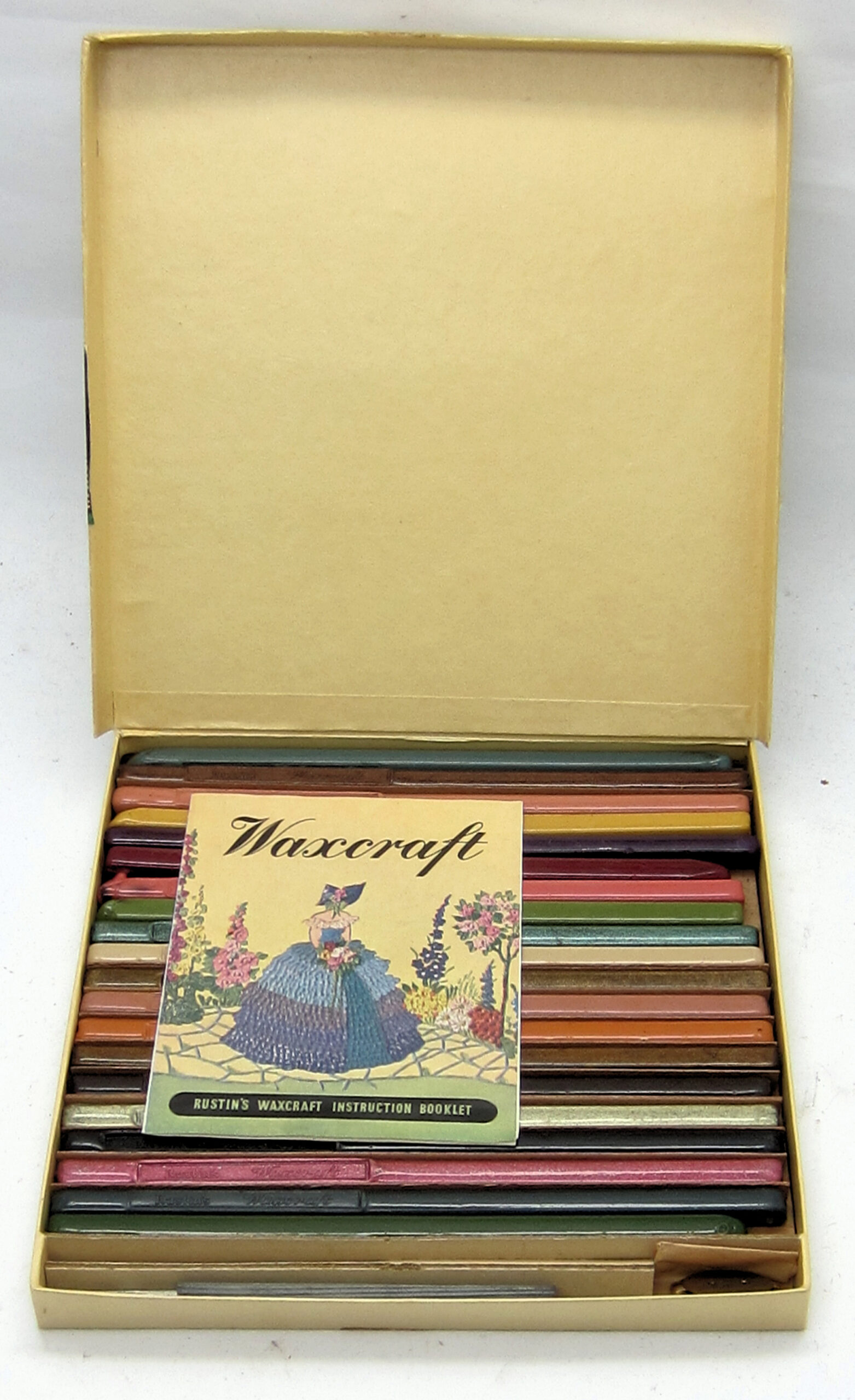 Rustins Waxcraft outfit
The Waxcraft outfit consisted of variously coloured sealing wax, a modelling tool and instructions, including how to make a flower. If you were very good at it, you could make the lady on the front of the leaflet. It all sounds pretty dangerous, as you had to heat the wax (and hot wax is not to be trifled with), so we won’t dwell on it. This was, of course, before health and safety was an issue.
Many kids would have had Harbutt’s plasticine and may even recall its strange scent. William Harbutt was head of an art school in Bath and invented plasticine in the late 1890s so that his students could make models. The plus of the material was that, if your model was a total disaster, you could just knead it back into a ball or sausage and start again, as it didn’t set, but it was sufficiently sturdy to stay put if you wanted it to. The animated characters, Wallace and Gromit, are partly made from a product called Newclay, which is similar to plasticine and doesn’t harden (well, it does if you add a hardening compound, but that’s not what we’re talking about currently).
Some of you may remember that, a few years ago, James May, the motorhead and presenter, gathered teams together to make a series of programmes called ‘Toy Stories’. The idea was to take a traditional toy/item from the past and use it in a large-scale project. One of the projects was a plasticine garden, which won a special award at the 2009 Chelsea Flower Show.
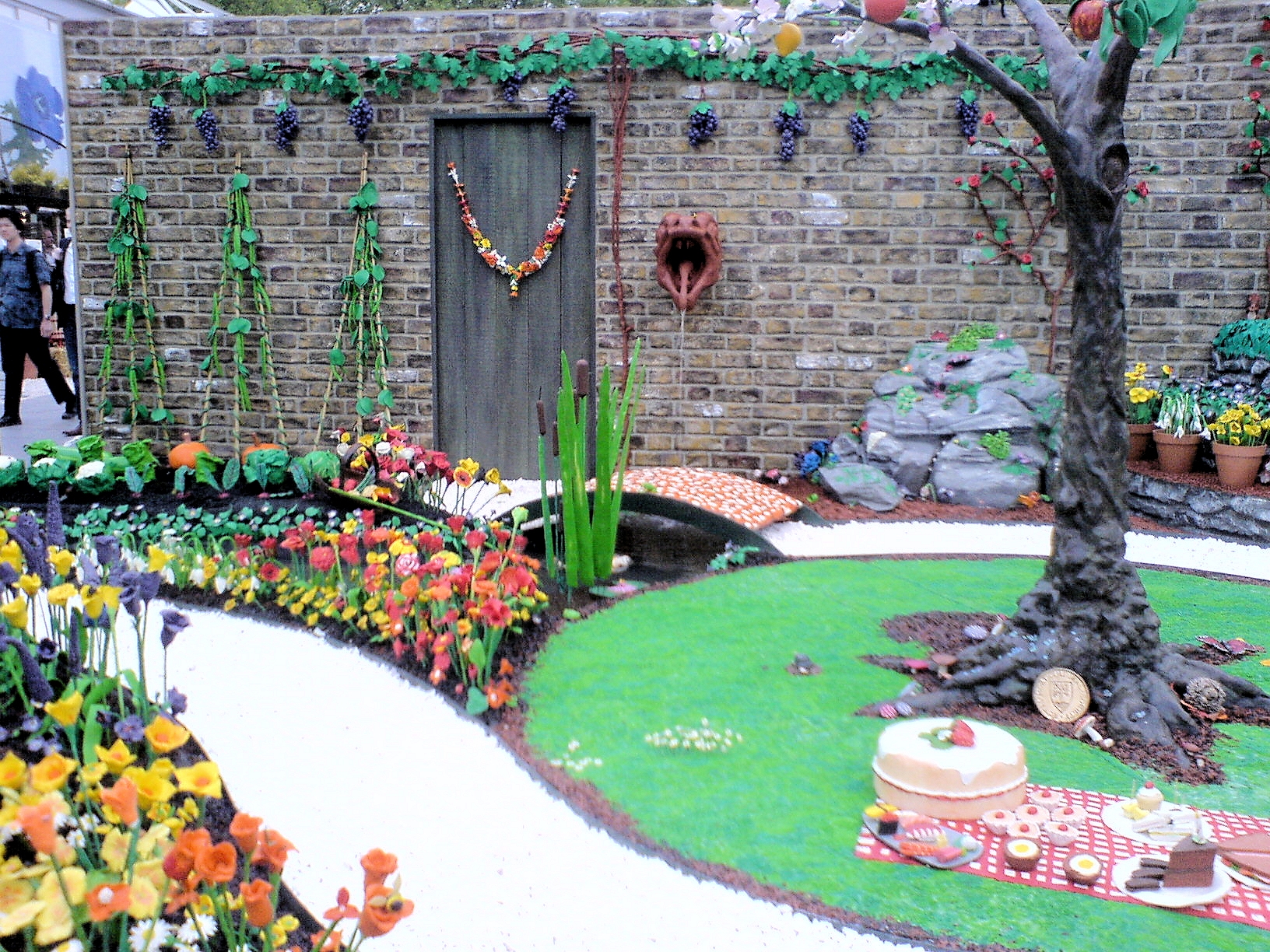 Part of James May’s plasticine garden at Chelsea, 2009
Photo by KlickingKarl via Wikimedia Commons
Simple games and pastimes
The game of marbles, or simply collecting different marbles, has been around for many centuries. In my day they were made of glass (or sometimes we used the odd ball-bearing in a game), but Bourne Hall has some stone marbles, dating back to the late 17th/early 18th century.
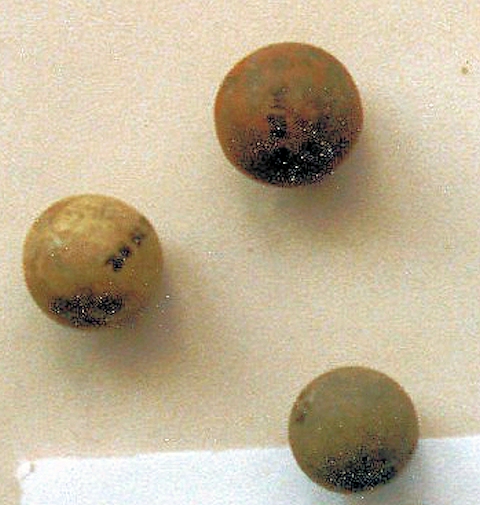 Stone marbles, apparently found in 51 South Street, Epsom
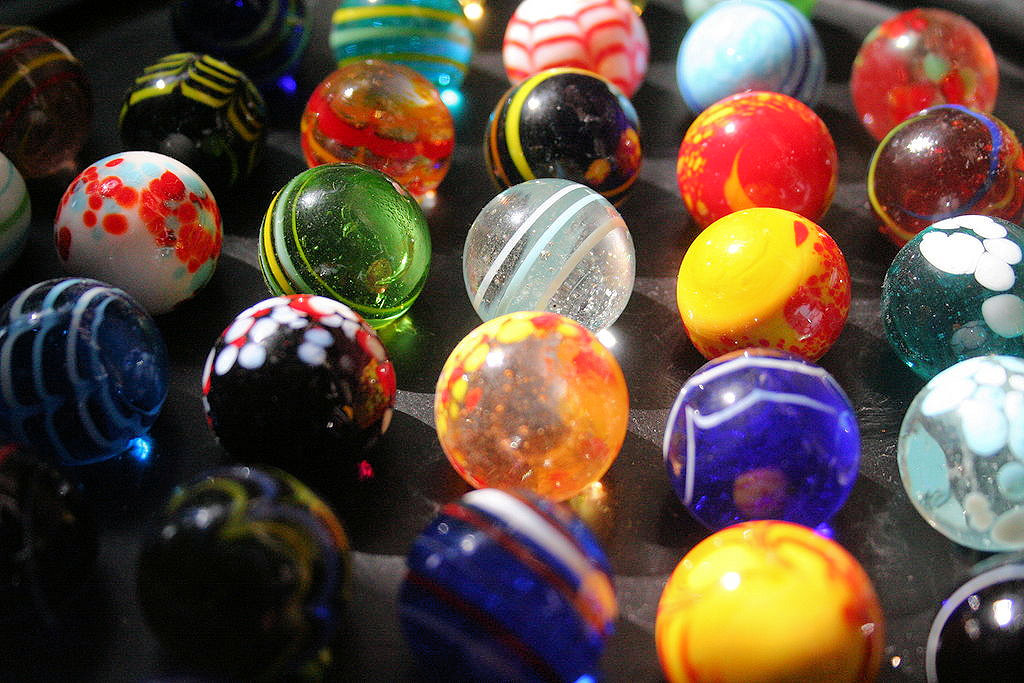 Hand-made marbles from West Africa
Photo by Sam Fentress via Wikimedia Commons
Somebody reminded me of the hula-hoop craze, which she was good at and I wasn’t. We are agreed, though, that neither of us could manage it now. Perhaps I just had the wrong size of hoop. This is another pastime that has been around for centuries. The plastic ones that we used started in the late 1950s, but in very olden times they could be made of wood or metal and might well cause permanent injury or even heart failure. However, there were other kinds of hoop pastimes. Poor children in the past had to make do with simple or even home-made toys, such as this next item. Better-off children had them too, though.
 A small child’s hoop, 1900s
 Canadian boys rolling hoops, 1922
Image source: Toronto Public Library via Wikimedia Commons
You can probably see for yourself in the photo that the hoops are in fact bicycle wheel rims.
We used to play hopscotch on the pavement, the only ‘equipment’ required being a piece of chalk to arrange the squares and numbers, plus a stone from the garden .This pastime has been around since time immemorial and has numerous variations. I’m well past hopping now and can’t skip any longer, but skipping was very popular years ago, either solo, using a proper rope with wooden handles – or a length of plastic-coated clothes line, or you could have a long rope with one person holding each end and several children would, in theory, jump at the same time.
Some of you may remember the Diabolo game, otherwise known as Chinese yo-yo, which, at its most basic, involved balancing an egg-timer shaped object on string and making it spin. There are folk who can do all sorts of tricks and acrobatics with the things, but, as I rarely even got it to spin, we shan’t dwell on it.
 Annette Kellerman on the ballfield, 1907, demonstrating Diabolo (then called Mefisto)
Image source: Wikimedia Commons
Miss Kellerman, incidentally, was an Australian swimming star, who subsequently went into vaudeville and films, and she was one of the first women to wear a one-piece bathing costume in place of the ludicrous outfits worn in Victorian times. Now I’ve digressed so shockingly, I’ll just show you the difference.
 Left: American bathing suit 1890-95, from Wikimedia Commons
Right: Annette Kellerman in her one-piece costume, early 1900s, from Wikimedia Commons
Musical instruments
I use the term loosely, since the sounds produced by the instruments when a child attempted to play them, especially straight out of Santa’s sack on a freezing Christmas morning, were often not at all musical. And the item was usually confiscated by Boxing Day. Here’s a selection from the archives.
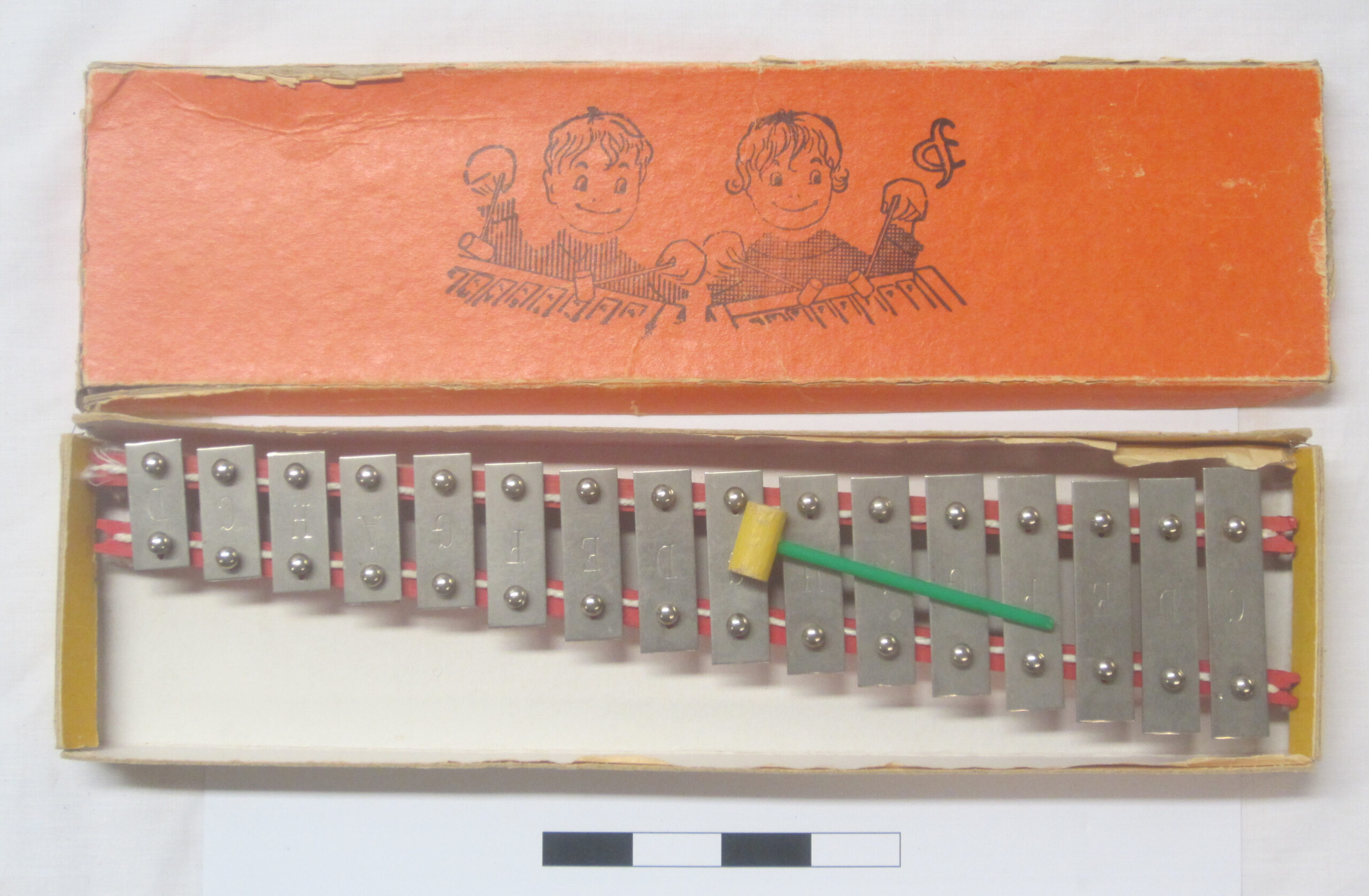 Toy xylophone
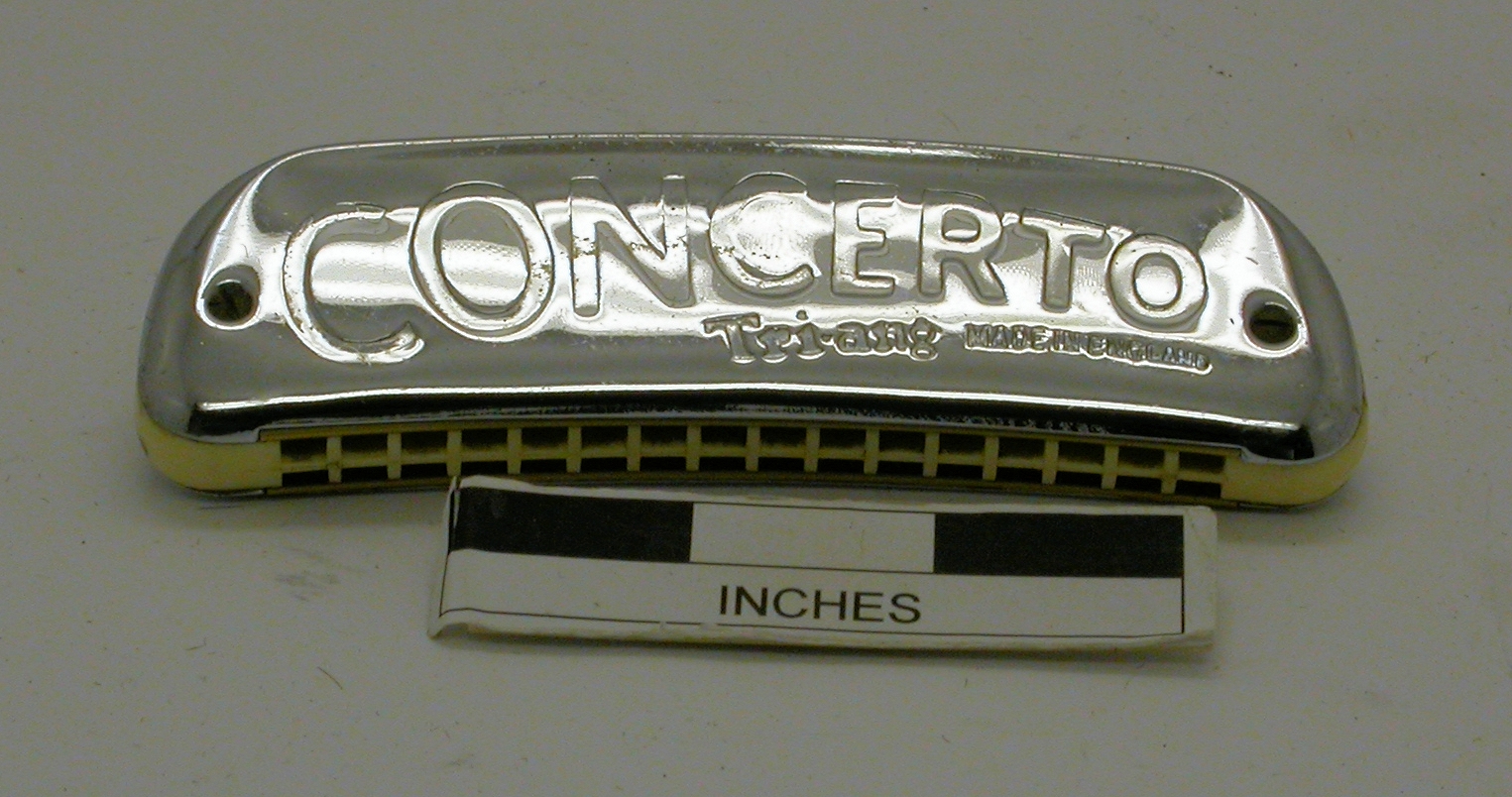 Tri-ang Concerto mouth organ
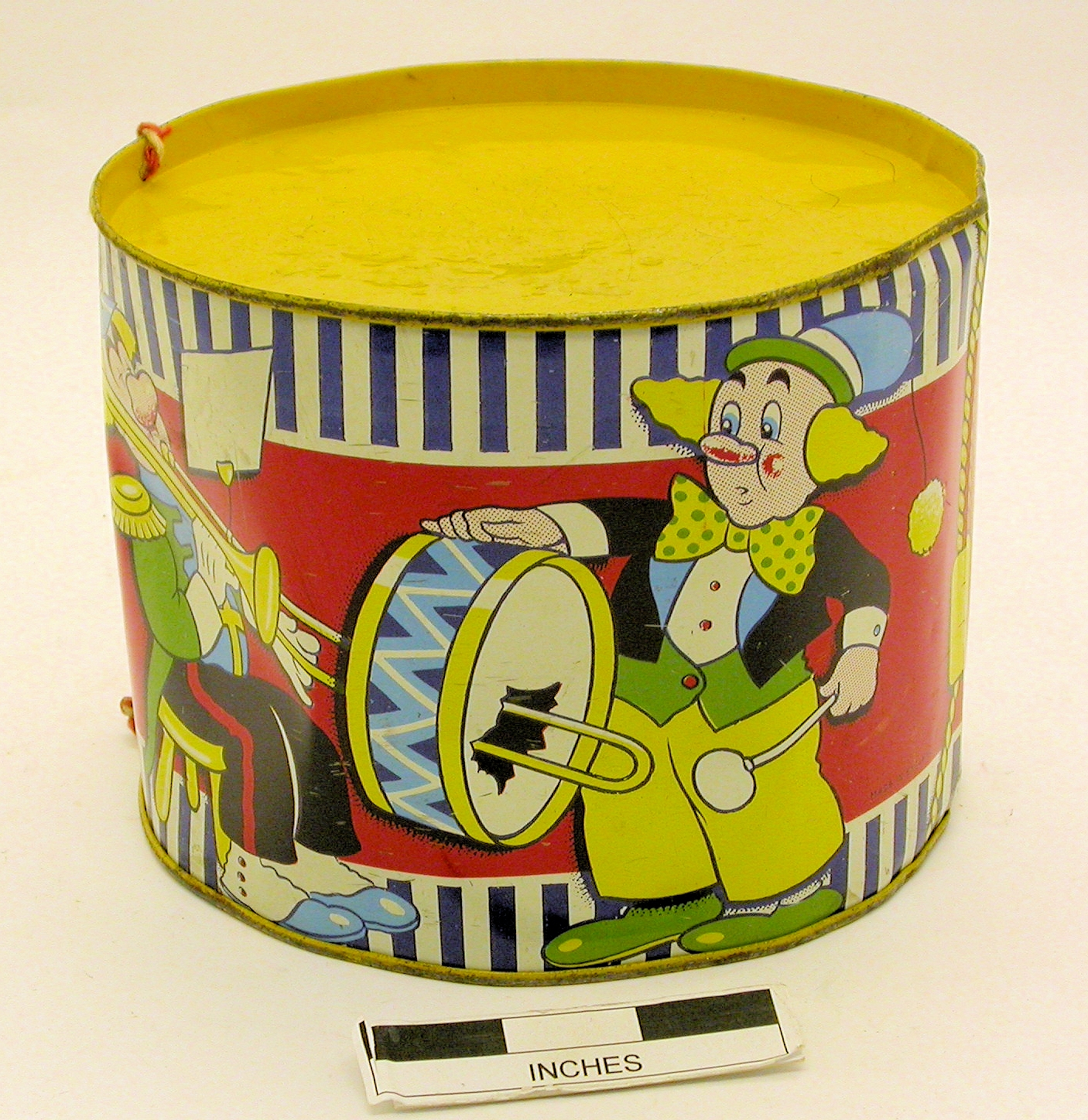 Tin drum
Books and comics
Hands up, anyone who remembers the I-Spy books (the originals, not the later versions). These little books started out as a Daily Mail publication, but were soon taken over by the now defunct News Chronicle. I had several, each on a particular theme, but never managed to spot every item in a single book. If you were persistent and fortunate enough to spot everything, you sent in the completed book and received in return, as I recall, an I-Spy badge. I had a badge, so must have cheated with the book.
Rupert Bear dates from a 1920 comic strip in the Daily Express and he became famous for his annuals, which started in 1936 and continue today. Our next-door neighbour worked for the paper, so I automatically received one each year until I grew out of it. Rupert was created by Mary Tourtel, who happened to be married to an assistant editor at the Daily Express, and she hatched up Rupert to compete with strips in other popular papers. The annuals were produced by Alfred Bestall for many years and, after that, others took over.
 Old Rupert annuals from Alfred Bestall
Photo by Jordy Schaap via Wikimedia Commons
Many children will have delighted in Beatrix Potter books, which I never read, but they were and are classics which have endured. Similarly, Winnie the Pooh and his friends are classic characters.
Biggles was popular, as were the classic American novels such as Little Women, What Katy Did etc. Enid Blyton had Noddy, the Famous Five and the Secret Seven. Richmal Crompton’s William series was amongst my favourites, and so too were the Jennings books by Anthony Buckeridge.
The Children of the New Forest was a particular favourite of mine, even though it was first published in 1847: This planted the notion that, during the English Civil War, the Cavaliers were the goodies and the Roundheads were the baddies. I have still got my copy, dating from 1955.
As for comics, I never went a week without my Beano and Dandy and I see that the former is still being published today. Dandy started in 1937 and is sadly no longer with us.
Conclusion
There are very many other things that could have been included, such as spinning tops, French knitting, spud guns, water pistols, tricycles, roller skates, painting by numbers, model soldiers, bagatelle, jacks – the list goes on and on, but we do have to stop somewhere!
Linda Jackson 2021